
Security Executives Tackle Burnout By Treating Cyber Wellness As A Systems Design Issue
Cyber wellness advocates JoJo D. & Ty Hughes champion a movement to redesign systems, not people, for healthier teams and stronger cyber defenses.
Make The Security Digest one of your go-to sources on Google


Calling humans the weakest link is narrative convenience. Burnout isn’t weakness. It’s degraded performance under unmanaged demand, and unmanaged demand is a leadership decision.
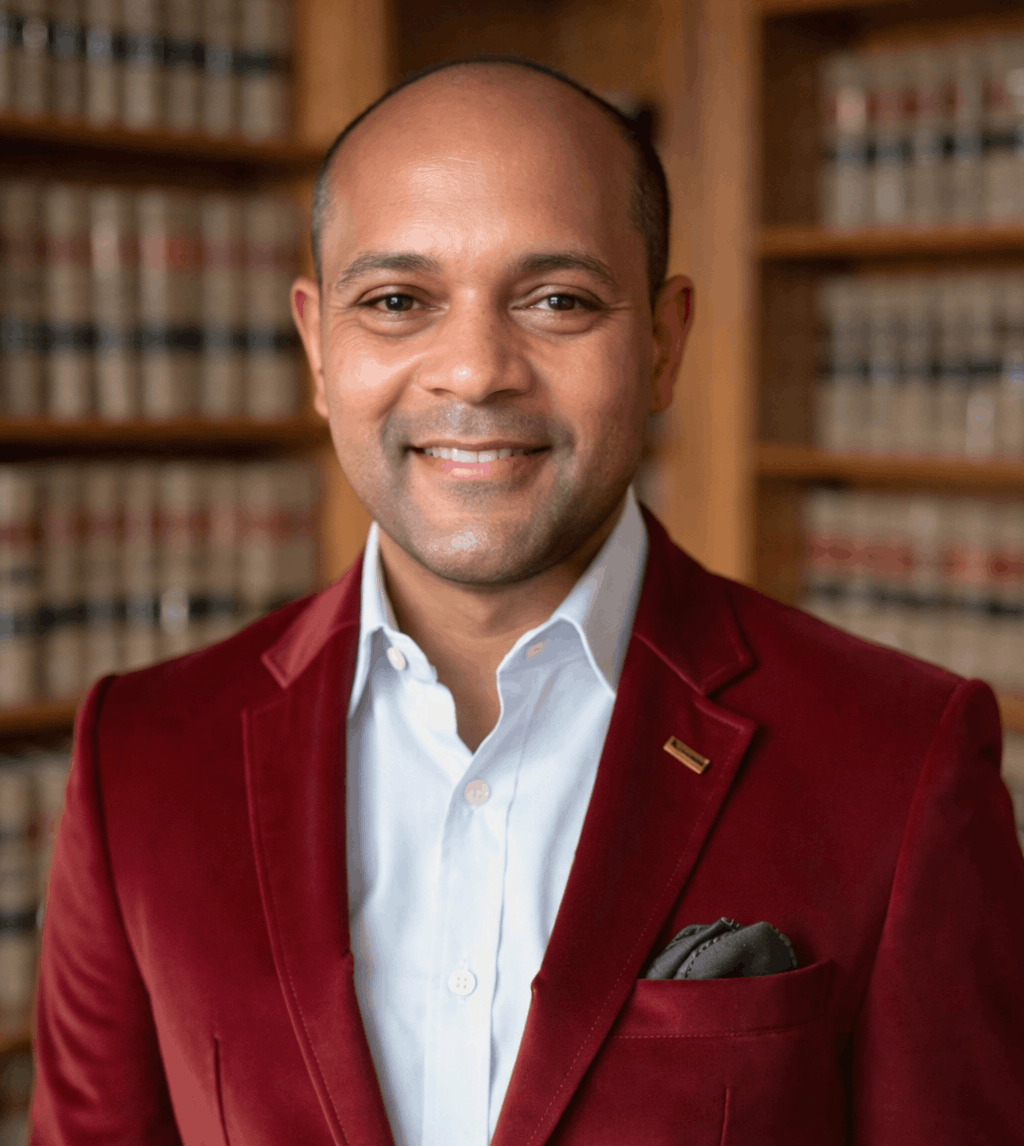
Ty Hughes
Burnout in cybersecurity reflects architectural flaws in how security teams are structured and sustained. When professionals are running on empty, operating in constant surge conditions with little recovery time and high cognitive load, decision quality declines and risk accumulates. Cultural expectations of continuous readiness and hero-level endurance compound the strain. What looks like individual fatigue is often the predictable outcome of system design.
Championing the cyber wellness movement are security leaders Jojo D., "The Chaos Guru", otherwise known as Jothi Dugar, and Ty Hughes, "The AI Alchemist." Dugar is a globally recognized executive strategist with more than 25 years of experience advising leaders where technology, cybersecurity, and human-centered transformation meet. An international bestselling author, she focuses on helping leaders and teams build resilience and performance through strategic clarity, emotional intelligence, and sustainable leadership practices.
Hughes is a transformational technologist and storyteller with nearly two decades of experience guiding organizations through complexity and disruption using human-centered approaches to technology leadership. His work sits at the intersection of advanced technology, emotional intelligence, and resilience, helping teams navigate uncertainty with focus and purpose. Together, they are reframing security culture by treating the people behind the systems as a foundational element of resilience.
"If burnout is predictable, it’s not a people problem, it’s a design problem. We don’t blame systems for breaking under constant overload. We redesign it. Humans deserve the same engineering," says Dugar.
A patch for people: A common mistake leaders make is miscategorizing a quiet team for a healthy one. But that silence can be a sign that the team has stopped escalating issues or debating ideas. "Burnout isn't mysterious. It's what happens when we ignore the design principles that keep our technology resilient," Hughes explains. "It's predictable. It starts with 'signal suppression,' which is the moment when your team stops escalating issues, debating ideas, or imagining better outcomes."
The hero trap: Signal suppression can foster an environment where a few dedicated individuals end up carrying a disproportionate burden, which is an unsustainable model that increases the risk of burnout for top performers. "Leaders must be on the lookout for hero culture," Hughes warns. "When you find that your success is consistently tied to the efforts of one or two key people, you must expect them to burn out. If a server room overheats, we don't ask why it overheats; we ask who didn't put the coolant in there. When your staff gets burnt out, it needs to be that same logic. Urgency without recovery isn't mission ready; it's recklessness."
The pressure on these teams can be amplified by changes within the industry. As the CISO role morphs into a "catch-all" requiring skills in everything from technical protocols to business negotiation, it can create a growing disconnect with available training programs that remain heavily tech-focused. That ambiguity can foster a constant state of overwhelming pressure where everything is treated as the highest priority.
Designed for downtime: Rather than relying on vague wellness platitudes, their cyber wellness method embeds structural change directly into an organization’s formal processes. "We embed cyber wellness directly into our formal processes," Dugar says. "Our cybersecurity incident response plan, for example, now includes a mandatory wellness step: after an incident has gone on for a set period, you are required to take an official break. Some of these incidents take days to remediate, and people aren't sleeping."
Not that PBS: "In that moment, when there's an incident and all this chaos, your teams are feeding off your energy," Hughes says, offering a tactic he calls PBS. "If I'm able to Pause, Breathe, and Summarize what our next step should be based on the facts, it can be really calming and help us get to better outcomes in a quicker fashion."
The ROI of rest: It's all about creating systems that protect employees by default and justifying it all with a pragmatic business case that speaks the language of the C-suite. "You have to speak to senior executives in the language they understand: return on investment," Hughes says. "When you lose staff to burnout, you don't just lose their salary; you lose institutional knowledge and have to pay to replace and retrain them. It is so much more efficient to manage your human capital than to suffer the constant cost of turnover."
"If burnout is predictable, it’s not a people problem, it’s a design problem. We don’t blame systems for breaking under constant overload. We redesign it. Humans deserve the same engineering." - JoJo D., "The Chaos Guru," Cybersecurity Strategist
Addressing burnout requires structural recalibration, not surface-level morale boosts. Across organizations, similar design flaws repeat: accountability exceeds authority, demand exceeds capacity, and continuous readiness becomes normalized while recovery is informal or discouraged. "Calling humans the weakest link is narrative convenience," notes Hughes. "Burnout isn’t weakness. It’s degraded performance under unmanaged demand, and unmanaged demand is a leadership decision." In resilient technical environments, sustained load without recovery produces predictable degradation, yet many security teams operate in permanent surge mode. For Dugar, the solution is intentional design. “Human availability is operational availability,” she says. “Recovery is not a reward; it is maintenance.”