
The Security Digest



Make The Security Digest one of your go-to sources on Google
Latest News
AI Impersonation Leaves Employees Paying A Trust Tax. Independent Verification Cuts The Bill.
Cybersecurity strategists Jothi Dugar and Ty Hughes explain how matching verification to what a request can set in motion keeps routine work fast and high-risk approvals safe.
Enterprise AI Policies Lose Their Reach When Employees Choose Tools Outside Their Control
Nethusha Ravisuthan, Sales Support & Operations Manager at Microsoft, explains why effective enterprise AI governance requires clear permissions, accountable oversight, and employee training to reduce security risks from unauthorized AI use.
Vulnerability Severity Alone Doesn't Determine Security Priorities in Critical Infrastructure
Vilas Shewale, Principal Specialist at Energy Transfer, explains why vulnerability severity scores alone can't determine cybersecurity priorities in critical infrastructure, where operational risks and remediation constraints demand careful judgment.
Leadership
View MoreVulnerability Severity Alone Doesn't Determine Security Priorities in Critical Infrastructure
Vilas Shewale, Principal Specialist at Energy Transfer, explains why vulnerability severity scores alone can't determine cybersecurity priorities in critical infrastructure, where operational risks and remediation constraints demand careful judgment.How CMMC Is Reshaping the Relationship Between Cybersecurity and Business Growth
Thanh Thai, CISO and VP at Constellis, explains how CMMC requirements are reshaping government contracting and why effective compliance depends on stronger security controls, operational evidence, and organizational alignment.
Exposure Resilience Helps CISOs Decide Which Vulnerabilities Matter As Exploit Windows Shrink
Sunil Varkey, EVP and CISO at Hexaware Technologies, explains why security teams should focus on the weaknesses attackers can reach and the context SOC agents need to act.A Governance Lens Stops Security Teams From Wasting Resources on the Wrong Risks
Kristofer Wilson's path from data governance into security shapes how Newell Brands prioritizes risk, communicates it to executives, and scales it across a global footprint.
AI & Agentic Orchestration
View More
AI Agents Handle SOC Triage And Gain More Freedom As They Build A Proven Track Record
Georges Kaddoum explains why critical SOC actions still require human approval as AI takes on more of the detection and triage work.
When AI Agents Act On Their Own, Infrastructure And Security Need One Accountable Owner
Jake Hammock, former CISO for the City of Seattle, explains how unified teams and risk-based metrics prepare organizations for agent-driven operations.
The Hardest Part Of An AI Kill Switch Is What To Do Before You Pull It
Mohit Bansal, Senior Manager, Security Engineering at Webflow, explains why effective AI kill switches depend on early detection, tight permissions, and layered containment.
Enterprise AI Is Forcing Security Beyond Centralized Review
Scott Brammer, Chief Information Security Officer at RegEd, explains why AI security has to move closer to product and engineering teams as models, agents, and data connections evolve faster than centralized review processes can keep up.
Get Identity Governance Right, and the Autonomous SOC Earns Its Autonomy
Shain Jacob, Interim Chief Information Security Officer at Texas Health and Human Services, on why identity ownership and human validation still decide whether an agentic SOC is worth the tooling.Observability
View More
Cyber Reporting Deadlines Put Pressure On Businesses To Trace AI Agent Actions
Simon Gooch, Field CIO at Saviynt, explains why autonomous AI agents are creating new compliance challenges and how organizations can establish governance, oversight, and accountability from the start.
Enterprises Rebuild Vulnerability Remediation as a Business Continuity Program
Chris Thatcher, Director of Cyber Security Solutions at EPAM Systems, explains why AI collapsing the window between vulnerability discovery and exploitation forces enterprises to fund remediation, legacy modernization, and incident rehearsal as one board-level program.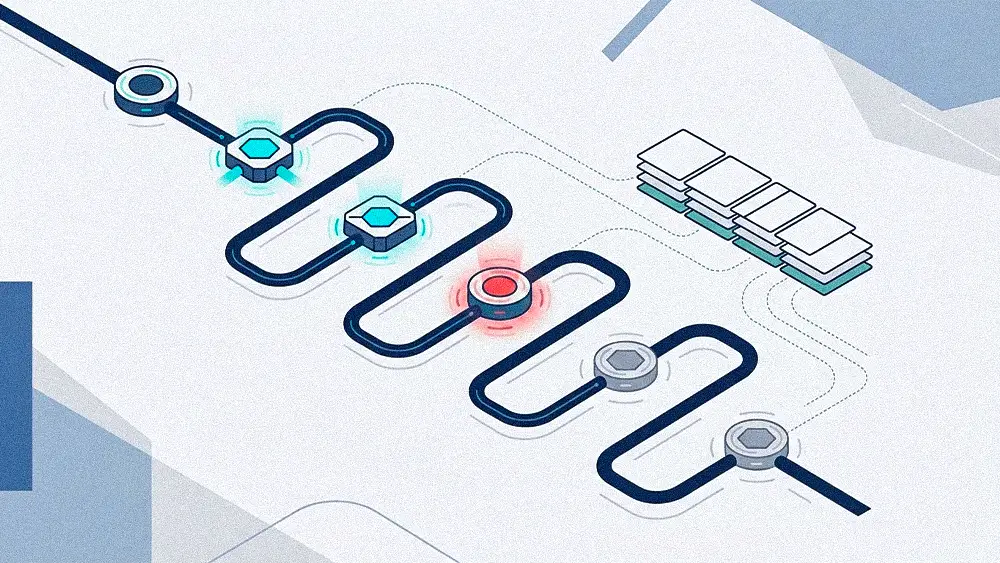
Enterprise AI Is The Biggest Insider Threat in IT History And It Only Wants To Help
Jesse Adams III, Senior Principal Enterprise Security Architect, warns that AI's eagerness to please makes it the biggest insider threat IT has ever onboarded
Cyber Hygiene Remains Security’s Best Defense And Its Most Overlooked Discipline
Petra Klein, Group Chief Security Officer at Swedbank, argues resilience starts with access, habits, and culture before another tool joins the stack.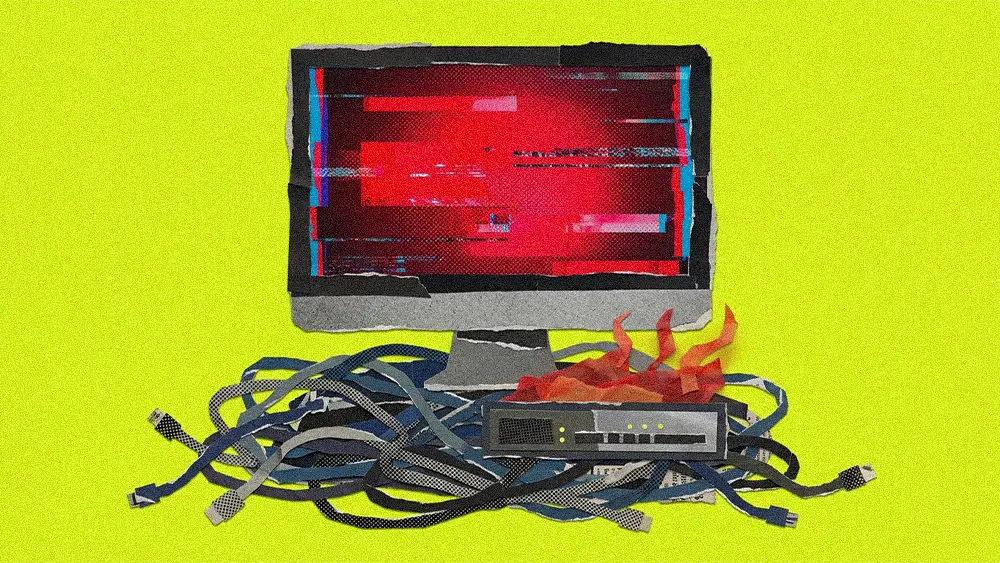
Closed Tickets Fill SOC Dashboards While Root Causes Go Undocumented
Paddy Patnaik, Managing Director of AI, Analytics, and Digital Transformation, explains why ticket closure has become a false indicator of risk reduction in SOC environments.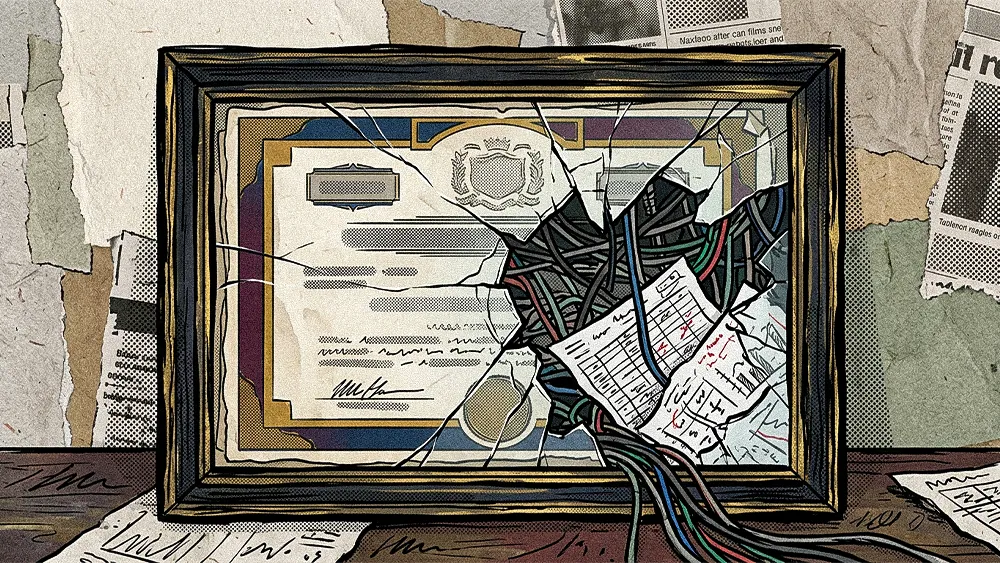
Most Organizations Discover Their Compliance Gaps Only After Something Breaks Internally
Meshach McKenzie, IT Supervisor at Skidmore, Owings & Merrill, explains why compliance gaps stay hidden until an internal incident exposes what audit paperwork was never built to prove.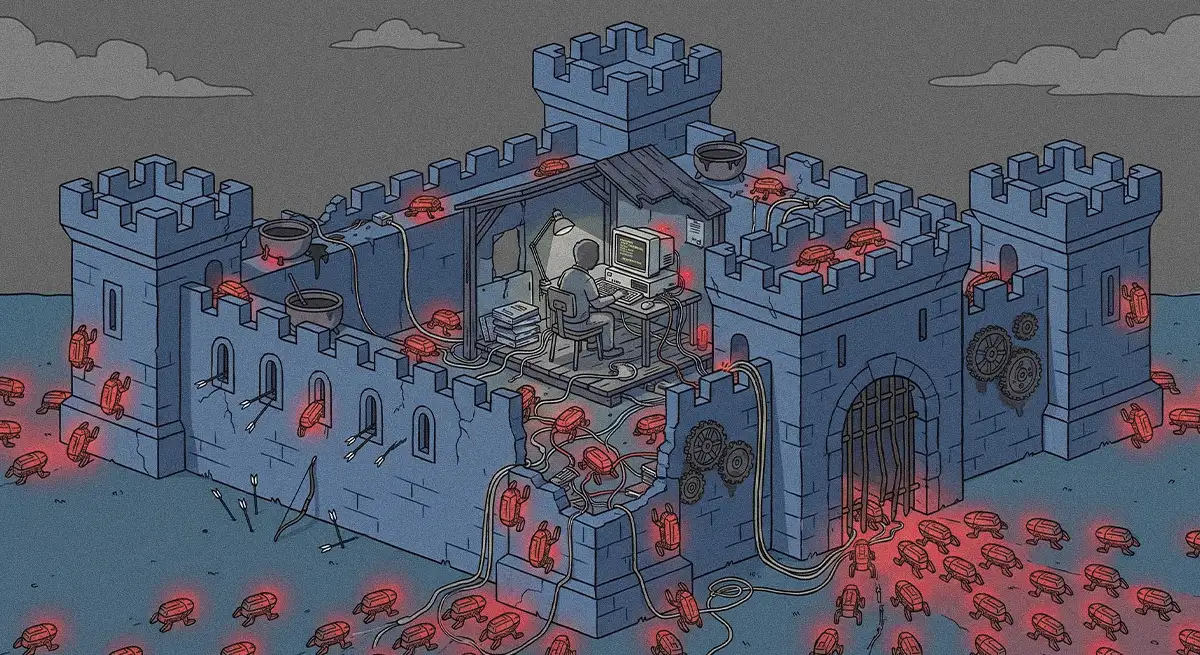
The SOC As You Know It Is Over. Here's What's Replacing It.
The human-paced SOC was built for a fight that ended. Here's how CISOs are rebuilding around machine-speed defense, and what the holdouts get wrong.Industry News
View More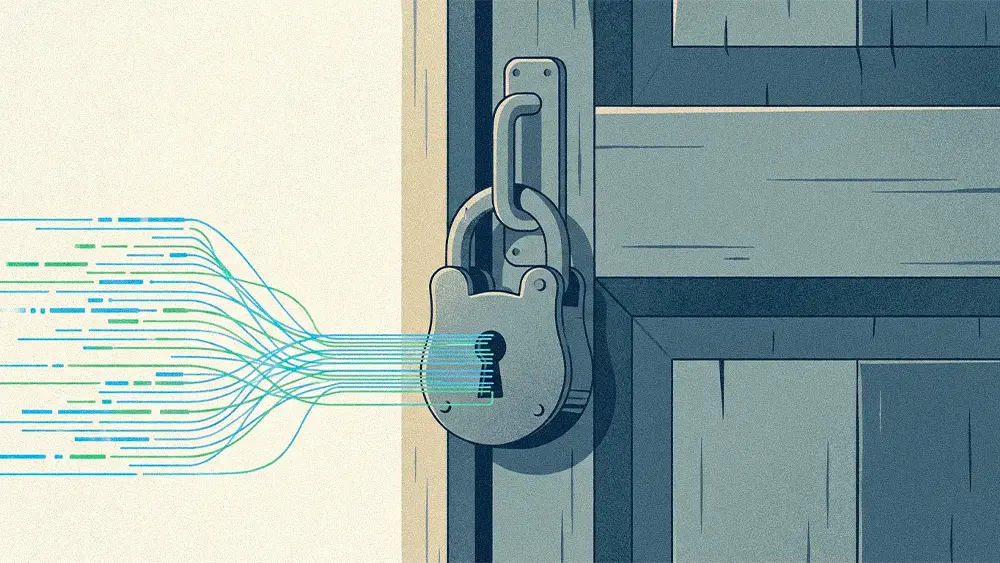
Security Leaders Trade Bloated Legacy Platforms For Tools Built For Today's Threats
Brad Gorka, CISO at Veritiv, on why security leaders are moving their budgets to platforms built for current threats as AI native challengers gain ground.
Security Leaders Prepare For Improvised Attacks By Changing Their Own Operating Speed
Shekhar Kachole, Founder and CTO at Turiya Digital, explains why a company's own practices and the industry's hard-won lessons both have to feed its security program.
Security Leaders Win Budget By Auditing Their Own Operating Model First
Hem Asher, former Senior Manager of Information Security at Insurity, explains why a metrics program and a ranked risk register have to come before any request for more budget.
Employee Fear Gives Attackers Their Biggest Head Start. Psychological Safety Takes It Back.
Cybersecurity strategists Jothi Dugar and Ty Hughes explain how a leader's first reaction to a reported mistake sets the length of the attacker's head start.
CISOs Are Becoming Risk Champions As Recovery Replaces Prevention As The Metric
Joseph Davis, Chief Security Advisor for Microsoft's U.S. Health & Life Sciences business, makes the case that the next generation of CISOs will be measured on recovery, auditable decisions, and resilience.
Five Years After DOL Guidance, Some Benefit Plans Still Have No Security Program
Julie Tracy, principal at Withum's cybersecurity advisory practice, explains why Taft-Hartley funds that outsource every operation to third parties keep treating vendor assessment as one-and-done, and why the long voluntary stretch on the DOL's guidance won't end gently.
Solving Alert Fatigue Requires Shared Ownership, Defined Language, And Risk-Based Prioritization
Aditya Bhise, Senior Manager of Information Security at Avaya, walks through why solving alert overload starts with governance, shared ownership, and organization-specific interpretation.
Most Enterprise SIEMs Can Only Detect 1 in 5 Known Attack Techniques. New Research Shows Why.
The data is already in the SIEM, but the detection rules aren’t. A growing body of research is revealing a structural gap between what security teams collect and what they can actually see, and the causes go deeper than headcount or budget.Most Popular
INDUSTRY NEWS
AI Impersonation Leaves Employees Paying A Trust Tax. Independent Verification Cuts The Bill.
AI
Enterprise AI Policies Lose Their Reach When Employees Choose Tools Outside Their Control
LEADERSHIP
Vulnerability Severity Alone Doesn't Determine Security Priorities in Critical Infrastructure
LEADERSHIP
How CMMC Is Reshaping the Relationship Between Cybersecurity and Business Growth
OBSERVABILITY
Cyber Reporting Deadlines Put Pressure On Businesses To Trace AI Agent Actions
AI
Get Identity Governance Right, and the Autonomous SOC Earns Its Autonomy
LEADERSHIP